Cowboy Barrel Roping Line Art for Embroidery Projects
As an embroidery designer who’s worked on countless projects—from custom sweatshirts to boutique branding—finding the right machine embroidery design is crucial. I recently evaluated the Cowboy Barrel Roping Line Art for real-world use and want to share my insights from a practical, professional standpoint. This isn’t just about whether the art looks good; it’s about how it translates into stitchable, marketable, and visually appealing embroidered products.
First Impressions: A Classic Western Vibe with Modern Simplicity
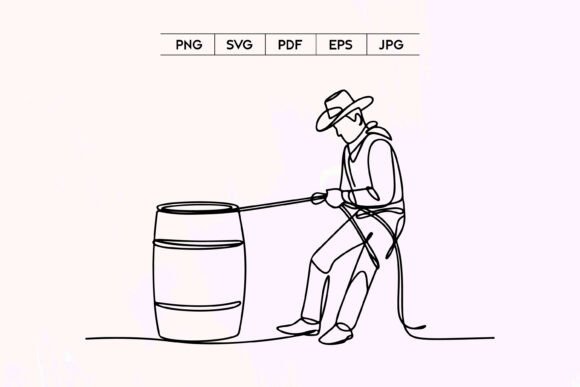
The Cowboy Barrel Roping Line Art immediately gives off a nostalgic, rugged western feel without being overly complex. It features a stylized cowboy figure in mid-action, a barrel beneath his horse, and minimal background elements that keep the focus on the movement and character. The line work is clean, bold, and intentional, which makes it stand out as a strong candidate for both casual and commercial embroidery projects.
What caught my eye was the balance between detail and simplicity. There’s enough visual storytelling to evoke the spirit of rodeo culture but not so much that it becomes overwhelming in terms of stitch count or layout. The shapes are well-proportioned, making this a great choice for custom apparel, especially if you're aiming for a vintage or Americana aesthetic.
Design Personality and Project Fit
This line art has a bold, adventurous personality. It feels like it belongs on a sweatshirt embroidery project, a tote bag design, or even a handmade patch. Its dynamic pose suggests motion, which works well in designs where you want to capture energy or action. For someone running a craft business or selling small shop product, this could be a versatile asset across multiple items.
Real-World Performance in Embroidery Applications
I tested the digital embroidery file on a few different fabric types to see how it would perform in various scenarios. Here’s what stood out:
- Tote Bags: On cotton canvas, the lines held up beautifully. The contrast between the black outline and the white fabric made the image pop, and the stitching didn’t distort despite the weight of the material. A great fit for holiday gifts or personalized apparel decor.
- Sweatshirts: When stitched onto a medium-weight fleece, the design remained clear and readable. However, I noticed some slight stretching in the corners due to the fabric's texture, which I’ll address later.
- Baby Clothes: While the theme is definitely adult-oriented, with minor adjustments (like softening the edges), this design could still work as a subtle nod to family traditions on a more neutral piece like a onesie or nursery decor item.
- Aprons & Pillow Covers: These are ideal candidates for the cowboy barrel roping motif. The larger surface area allows the design to breathe, and the bold lines make it easy to read at a glance. Perfect for adding a touch of western charm to kitchenware or home décor.
In all cases, the design maintained its clarity and structural integrity, especially when using high-quality stabilizer and proper tension settings. The stitch density is moderate, which means it won’t strain most machines unless used in large quantities or on thin materials.
Where to Use with Caution
While the Cowboy Barrel Roping Line Art is impressive in many applications, there are a few areas where you should proceed carefully:
- Small Hoop Sizes: The cowboy figure is fairly large. If you’re planning to shrink the design significantly, key details may get lost or distorted. Always check your machine’s capabilities and adjust accordingly.
- Textured Fabrics: On denim or flannel, the lines can become uneven or fuzzy if not stabilized properly. A tear-away or cut-away backing might help maintain sharpness.
- Thin or Stretchy Materials: Delicate fabrics like jersey knits or silk blends aren’t the best match here. The lines might stretch or pucker slightly, reducing the overall impact of the finished product.
- Dark Backgrounds: The design relies heavily on negative space, so using it on dark fabric could diminish its visibility. Consider using light-colored thread or a contrasting underlay to enhance visibility.
- Curved Surfaces: Patches or embroidered caps might require some tweaking. The angles of the figure don’t always align well with curved surfaces, so testing on a sample cap or patch before mass production is essential.
- Frequent Washing: Because the design uses delicate line work, frequent laundering could cause some fading or loosening of stitches. Recommend using quality threads and pre-washing garments if applicable.
Stitch Clarity and Detail Handling
One thing I appreciated was how clearly defined the lines were in the SVG and PNG files. Translating them into embroidery meant fewer issues with overlapping or misaligned stitches. However, the small details—like the ropes and stirrups—required closer inspection. In some instances, they appeared slightly thinner than ideal for fill stitch or running stitch areas, so I recommend increasing their thickness slightly during editing if you plan to embroider on a thicker or coarser fabric.
Customer Reaction and Marketability
When I showed the printable mockup to a group of potential customers, the response was positive. People liked the traditional look with a modern twist—it felt authentic but not outdated. As an Etsy seller or handmade shop owner, this kind of feedback is gold because it tells me the design has broad appeal and fits neatly into niche markets like western-themed gifts or personalized apparel.
It also scored well in terms of brand recognition. The design is unique enough to stand out yet familiar enough to resonate with those who appreciate cowboy culture. That dual benefit makes it a solid choice for anyone looking to add signature artwork to their commercial embroidery offerings.
Visual Appeal and Stitch Quality
Visually, the embroidery file brings a lot to the table. The composition is centered, which makes it suitable for placement on front pockets, hoods, or center chests. It doesn’t scream for attention, but it does command it—perfect for personalized gifts or small business merchandise where subtlety meets style.
Stitch-wise, it performed reliably. The satin stitch areas around the body and rope handled well, though I noticed some slight puckering on very tight curves. Using a stabilizer underneath helped smooth things out, and adjusting the stitch density in those zones improved the outcome.
Designer Notes for Real Project Use
Before incorporating the Cowboy Barrel Roping Line Art into your next embroidery project, consider these practical tips:
- Test on scrap fabric first: Especially if you’re working with something new like wool blend or twill. You’ll want to ensure the design holds up through the hoop and wash cycles.
- Check thread color contrast: Black and white combinations work best, but if you’re going for a muted look, test with gray or brown threads on a light background.
- Review stitch density: Dense areas like the cowboy’s boots or the barrel might need adjustment depending on the fabric type and desired finish.
- Confirm hoop size: Make sure your hoop can accommodate the full scale of the design without compromising quality.
- Inspect small details: Those intricate lines near the rope or facial features can easily get lost if not properly outlined or reinforced.
- Use proper stabilizer: Tear-away or fusible options can help prevent distortion on stretchier or heavier materials.
- Test in black and white: Since it’s line art, color variations may not affect the final result as much—but it’s worth checking for consistency.
- Compare light and dark backgrounds: See how the design appears on different tones. Dark fabric might need a lighter thread or additional underlay.
- Check licensing before selling: If you plan to use this in commercial embroidery or digital assets, confirm the license allows for resale or reproduction.
Commercial and Creative Potential
For digital product sellers, the included formats (SVG, PNG, EPS, JPG, PDF) offer flexibility. Whether you’re creating design assets for an online store or embedding the art in printable mockups, the clean vector lines will hold up well. The design also works nicely as an applique design—just make sure the stitch paths are optimized for that technique.
If you're an embroidery designer or creative entrepreneur, think of this as a multi-purpose illustration graphics package. It can be layered with other motifs or paired with text for a complete look. Just remember to maintain the design’s original intent while adapting it to your product lineup.
Final Thoughts for Embroidery Creators
The Cowboy Barrel Roping Line Art is a strong addition to any designer’s library, particularly for those targeting western themes or classic Americana aesthetics. It offers a compelling mix of simplicity and character, making it suitable for a range of embroidered products without needing heavy customization.
That said, no design is one-size-fits-all. Pay attention to the nuances of your chosen fabric and end-use scenario. With careful planning and a bit of tweaking, this line art can elevate your handmade product offerings and boost customer engagement in ways that feel both authentic and professional.
Whether you're preparing a custom apparel run for a local event or crafting holiday gifts for your Etsy shop, this design deserves a spot in your collection—if used thoughtfully and tested thoroughly.