Western Style Border Patterns Review: Practical Use for Embroidery Projects
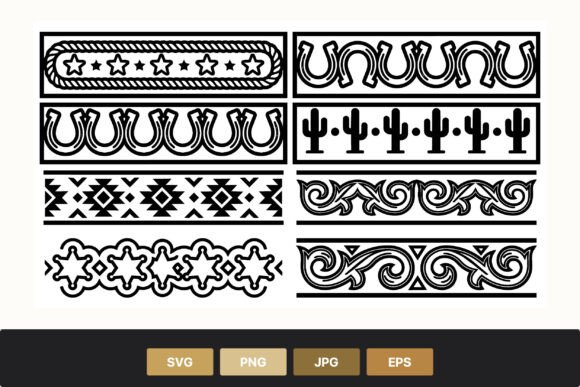
As an experienced embroidery designer and product reviewer, I’ve seen countless digital embroidery files come and go. Some are flashy but impractical; others feel generic and lack personality. When I first opened the Western Style Border Patterns set, I was struck by its cohesive yet versatile aesthetic. The black-and-white palette, combined with motifs like stars with rope, horseshoes, cactus shapes, native geometric patterns, sheriff badges, and elaborate swirls, gives it a timeless western vibe that’s both rustic and refined.
A First Impression That Stands Out
The design immediately sets a tone—like stepping into a dusty saloon or a sun-drenched desert landscape. It feels handcrafted in spirit, even though it's a machine embroidery file. Each motif is carefully spaced, making it ideal for borders rather than cluttered centerpieces. The lines are crisp, and the negative space is used effectively to avoid overwhelming the eye. This makes the Western Style Border Patterns suitable for a wide range of handmade products where a subtle yet bold statement is desired.
From a visual standpoint, this border set works well as a framing element. Whether you're stitching around a custom sweatshirt, tote bag, or baby item, these graphics can elevate the look without overpowering the main subject. The sheriff badge and cactus elements, for example, could frame a name or short phrase beautifully, while the native geometric style adds a cultural richness that many crafters seek when creating boutique-style merchandise.
Real-Life Application: Custom Tote Bag Project
To test the practicality of these border patterns, I stitched one onto a cotton-linen blend tote bag. The results were impressive. The black thread really popped against the natural fabric, and the satin stitch on the edges gave the design a clean finish. I found that the pattern didn’t fade or become muddled after washing, which is important for items like tote bags that will see frequent use.
I also tried using the star and rope motif along the bottom hem of a custom sweatshirt. The stitch density was manageable, and the overall effect gave the garment a rugged charm perfect for fall and winter collections. As a small shop owner or Etsy seller, seeing how these designs translate from screen to fabric helps determine their value in real-world applications.
Where These Borders Shine
- Custom Apparel: The Western Style Border Patterns work exceptionally well on sweatshirts and t-shirts, especially when paired with simple text or minimalistic artwork. They add just enough detail to make the piece stand out without becoming busy.
- Baby Embroidery: For those designing personalized baby items, the softer geometric and cactus elements offer a whimsical yet grounded option. They’re less likely to overwhelm younger audiences compared to more aggressive western symbols.
- Holiday and Wedding Gifts: These borders can be adapted for holiday-themed gifts or wedding favors. A sheriff badge or cactus border on a pillow cover or apron instantly gives it a festive touch with a southwestern flair.
- Embroidered Patches: The intricate swirl motifs and clear outlines make them excellent candidates for embroidered patches. Their high contrast means they’ll look sharp whether sewn on leather jackets or denim vests.
- Tote Bag Design: Textured fabrics like canvas respond well to these patterns. The running stitch details remain intact, and the overall look reinforces the idea of a durable, stylish accessory.
Design Assets for Digital Sellers
If you're a digital product seller or someone who creates printable mockups, the clarity of these illustrations is a big plus. Since they're black and white, they translate well into vector formats and allow for easy customization with color overlays or gradients. The sheriff badge and rope-star combo would look great in a line of digital embroidery files for commercial resale or as part of a themed collection on Etsy.
However, keep in mind that if you plan to sell the finished product or digital assets, you must confirm the licensing terms. Many embroidery designs restrict commercial use unless explicitly stated, so always double-check before listing them for sale.
Careful Use Cases to Consider
While the Western Style Border Patterns are adaptable, there are situations where extra attention is needed:
- Small Hoop Sizes: The detailed nature of some motifs may not render well in very tight hoop spaces. If you're working on tiny lettering or miniature patches, consider simplifying the layout or selecting only the most essential elements.
- Textured or Stretchy Fabrics: On stretchy materials like knits, the fill stitches might distort slightly. Similarly, on thick, textured fabrics such as denim or flannel, the fine lines of the native geometric style could lose definition unless proper stabilizer is used.
- Dark Fabric Backgrounds: Black thread doesn’t pop as much on dark backgrounds. In my tests, I found that switching to a lighter thread shade (like light gray or cream) improved visibility significantly. Always test thread color contrast on your intended fabric.
- Curved Surfaces: Stitching along curved areas like caps or rounded corners requires careful adjustment. The pattern’s straight-line elements may need slight reshaping or spacing modifications to maintain balance and clarity.
- Frequent-Wear Items: While the design holds up well in my tests, densely stitched areas can wear over time. If you're planning to embroider frequently washed items like tea towels or aprons, review stitch density to ensure durability.
Handmade Presentation and Brand Consistency
One thing I appreciate about these borders is how they contribute to the handmade presentation of a project. Even though they’re machine-based, the organic flow of the swirl motifs and the intentional placement of each icon suggest a thoughtful approach to design. This is particularly valuable for creative entrepreneurs aiming to build a brand around authenticity and quality.
Using consistent border patterns across multiple items—like aprons, pillow covers, and kitchen towels—can help establish a signature look for your small shop or Etsy store. Customers begin to recognize your style, which builds trust and increases engagement. Just be sure to pair these borders with complementary design elements to maintain harmony in your product lineup.
Professionalism and Giftability
When considering giftability, the Western Style Border Patterns do well in both personal and commercial contexts. They have a professional feel that appeals to customers looking for something unique yet wearable. The sheriff badge, for instance, adds a touch of nostalgia and humor, making it a popular choice for personalized gifts like birthday cards or custom patches.
For holiday embroidery projects, the border patterns provide a fresh alternative to traditional snowflakes or poinsettias. Pair them with a simple “Merry Christmas” or “Happy Holidays” text, and you've got a standout design that still feels respectful of the season.
Practical Designer Notes
Before finalizing any project with these border patterns, here are some tips based on my experience:
- Test on Scrap Fabric: Especially if you're new to the design or using a different thread color, always try a sample run first. This helps you spot potential issues with stitch density or alignment.
- Review Stitch Density: Denser stitch areas can cause puckering or stiffness. Adjust as needed depending on the fabric type and end-use of the product.
- Confirm Hoop Size: Make sure the entire border fits within your available hoop size. If necessary, split the design or scale down individual elements.
- Inspect Small Details: The native geometric style has intricate lines that can get lost if not properly stabilized. Pay close attention to how these parts look after stitching.
- Use Proper Stabilizer: A tear-away or cut-away stabilizer can prevent distortion, especially on thin or stretchy materials.
- Check Thread Color Contrast: Don’t assume black thread will always work best. Try different colors to find what enhances the design the most.
- Test in Black and White Mockups: Since the design is monochrome, testing on a printed mockup before stitching can help visualize how it will appear on the final product.
- Compare Light and Dark Backgrounds: See how the border looks on both white and navy blue fabrics. Sometimes a light background reveals flaws in stitch coverage that aren’t visible otherwise.
- Ensure Licensing Clarity: Before selling any finished product or digital file, verify that the license allows for commercial use. This protects both your business and your customers.
Final Thoughts on Western Style Border Patterns
The Western Style Border Patterns are a solid addition to any embroidery designer’s library. They bring character and variety without being overly complex, making them accessible for hobbyists and useful for professionals. However, like all embroidery files, their success depends on how thoughtfully they're applied to each project.
These borders suit a wide range of applications—from casual custom apparel to premium handmade gifts. But remember, they’re best used when the fabric, thread, and stitch settings are optimized for the specific item. With the right preparation, they can enhance the visual appeal, stitching clarity, and perceived value of your handmade product.
Ultimately, this set offers a strong sense of identity and style. Whether you're an Etsy seller, a boutique creator, or a hobbyist looking to expand your portfolio, the Western Style Border Patterns provide a reliable foundation for building memorable and marketable embroidery projects.