★★★★☆4.5(50 reviews)
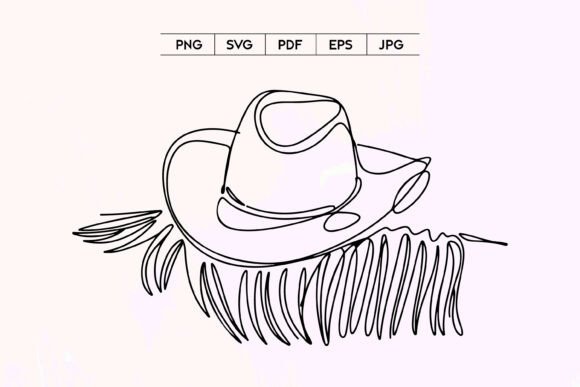
Cowboy Hat on Hay Line Art: A Designer’s Practical Take
Where It Thrives
- Tote bags: The central placement and moderate size make it a great focal point.
- Sweatshirts and t-shirts: Especially when paired with simple text like "Western Spirit" or "Family First."
- Baby clothes and nursery decor: For a playful yet elegant touch in holiday embroidery or personalized gifts.
- Embroidered patches: Its clear lines translate well into applique designs, particularly if you use contrasting thread colors.
- Aprons and tea towels: The line art style complements kitchen-related products with a decorative yet functional edge.
Curved Surfaces and Corners
Practical Notes for Embroidery Designers
- Test on scrap fabric: Every machine and material behaves differently, so always do a trial run before embroidering final products.
- Check thread color contrast: Especially if using on dark or patterned materials. White or cream thread tends to highlight the design best.
- Review stitch density: The line art relies on stitch definition rather than heavy fills. Too much density can cause puckering or stiffness.
- Confirm hoop size: If you’re unsure about the recommended dimensions, check the file specifications or test with different hoops.
- Inspect small details: Look closely at the brim and crown to see how they hold up under different stitch types and fabric weights.
- Try black and white mockups: This helps determine whether the design will pop on colored or printed bases.
- Use proper stabilizer: Tear-away or cut-away stabilizers are usually best depending on the fabric and project.
- Confirm licensing for commercial use: Make sure the files you receive allow for selling finished products or digital embroidery files.
⬇️ Download Free
Free download · No sign-up required
🔗 You Might Also Like
Illustrations
First Impressions and Design Personality When I first opened the digital files f...Illustrations
As an experienced embroidery designer and product reviewer, I’ve seen my fair sh...Illustrations
As an experienced embroidery designer and product reviewer, I always look at a n...Illustrations
As an embroidery designer who’s worked on countless projects—from custom sweatsh...Illustrations
As an experienced embroidery designer and product reviewer, I always approach a ...
Free download · No sign-up required
🔗 You Might Also Like
Illustrations
First Impressions and Design Personality When I first opened the digital files f...
Illustrations
As an experienced embroidery designer and product reviewer, I’ve seen my fair sh...
Illustrations
As an experienced embroidery designer and product reviewer, I always look at a n...
Illustrations
As an embroidery designer who’s worked on countless projects—from custom sweatsh...
Illustrations
As an experienced embroidery designer and product reviewer, I always approach a ...
